Work coordination platform
Designed for the automotive industry
As a leader in innovation, you understand the importance of staying ahead of the curve in the fast-moving automotive 4.0 world. KanBo provides you with the tools to do just that by facilitating smart factory operations, streamlining project management, fostering collaboration and solving complex problems.
Unlocking the Benefits of a Paperless Office: Insights from a Change Management Analyst on the Power of Digital Documents
As the automotive industry evolves at a rapid pace, the need for efficient work coordination platforms has become more critical than ever. KanBo has emerged as a top choice for large enterprises looking to streamline their operations and collaborate more effectively.
One of the key strengths of KanBo is its ability to cater to the diverse needs and preferences of businesses across the board. With on-premises and cloud installations, KanBo can adapt to the unique infrastructure and environment of any organization. This adaptability is especially beneficial for large international organizations with complex operations and distributed teams.
However, KanBo is more than just a coordination platform. It is also an environmentally-conscious solution that prioritizes sustainability. Its paperless processes and digital document management features allow organizations to reduce their paper usage and streamline their operations. This approach not only helps to reduce the carbon footprint of businesses but also saves significant costs associated with print and document storage.
KanBo’s document management features have proven to be a valuable asset for automotive companies operating in a fast-paced environment where quick access to accurate information is critical. With features such as document sources, document templates, board documents, and card documents, KanBo enables businesses to keep track of all their documents in one centralized location. This feature helps team members collaborate more effectively and reduces the risk of errors and miscommunication.
Furthermore, KanBo’s advanced security features ensure that critical data is protected against unauthorized access. This feature is especially crucial for businesses in the automotive industry that operate in a highly competitive and regulated environment.
In conclusion, KanBo is a work coordination platform designed to meet the needs of large enterprises. Its adaptability, sustainability, digital document management, and security features make it an attractive choice for automotive companies seeking to streamline their operations and collaborate more effectively.
As an automotive industry Change Management Analyst, your job is to ensure that any changes made to products or processes are managed efficiently and effectively. With KanBo and a paperless office system, you can streamline your workflow and reduce the amount of time spent on non-value-added activities.
Here’s a how-to guide for one week of life as a Change Management Analyst in the automotive industry using KanBo and a paperless office system:
Monday:
Start your week by creating a new KanBo workspace for your Change Management project. Add all the people who will be involved in the project as members of the workspace. Create spaces for each area of the project you will be working on, and set up cards for each task that needs to be completed.
Tuesday:
Use KanBo’s card templates feature to create a standard template for your Change Management process. Each time a new change request comes in, simply duplicate the card and edit the details to match the request.
Wednesday:
Create a document group in KanBo for all the documents related to your Change Management project. Use the document folders and versioning features to ensure that only the most up-to-date versions of documents are accessible to the team.
Thursday:
Hold a virtual meeting using KanBo’s video conferencing tools to discuss the progress of the project. Assign new tasks to team members as needed, and make sure that everyone is up-to-date on the latest developments.
Friday:
Use KanBo’s dashboard and reporting features to generate a summary report of the project’s progress. Review the report with your team and make any necessary adjustments to the project plan.
By using KanBo and a paperless office system, you can significantly improve your team’s productivity and collaboration, while also reducing your environmental impact. Try these tips for one week and see the difference it makes in your Change Management process.
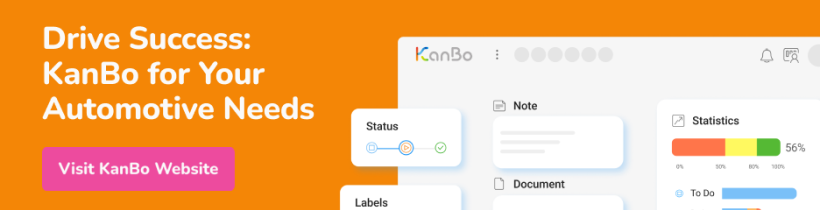
Did you know that KanBo is more than just a tool for Digital documents and paperless office? It is a work coordination platform that brings together all the teams, departments, and external stakeholders in your organization. In addition to document management, KanBo offers a range of features that help teams collaborate, communicate, and manage work more efficiently.
With KanBo, you can create workspaces for teams and departments, each with their own set of cards and boards. You can assign people to cards, set due dates, and track progress. You can also create card templates, which can be used to standardize workflows and tasks across the organization.
KanBo also offers a range of views to help you visualize work. You can switch between Kanban, List, Table (Spreadsheet), Calendar, Gantt Chart, and Timeline views to suit your preferences. You can also create dashboards and reports to get insights into your team’s performance.
KanBo also offers resource management features that allow you to track the availability and workload of team members. This helps you assign tasks and make sure that everyone is working on the right things.
In addition to these features, KanBo offers an intelligent search function, notifications, comments, @mentions, and activity streams to help everyone stay in the loop. KanBo seamlessly integrates with your existing IT infrastructure, including Microsoft Office 365, Google Suite, AWS, Salesforce, and more.
So, if you are looking for a comprehensive work coordination platform that goes beyond document management, KanBo is the right choice for your organization. With its user-friendly interface and powerful features, KanBo can help you optimize work management, promote transparency, and foster a culture of trust and collaboration.
Q&A
Q1. What distinguishes KanBo from other work coordination platforms in the market?
A1. KanBo stands out from other work coordination platforms due to its adaptability, sustainability, digital document management, and advanced security features. It can cater to the unique needs and infrastructure of any organization, making it ideal for large international enterprises with complex operations and distributed teams. Additionally, KanBo’s paperless processes and document management features enable businesses to reduce their paper usage, streamline their operations, and ultimately save costs.
Q2. How does KanBo help automotive companies manage their documentation more efficiently?
A2. Automotive companies operating in a highly regulated and fast-paced environment require quick access to accurate information. KanBo helps these organizations manage their documentation by providing features such as document sources, document templates, board documents, and card documents. These features allow teams to keep track of all their documents in one centralized location and collaborate more effectively, reducing the risk of errors and miscommunication.
Q3. How can a Change Management Analyst in the automotive industry benefit from using KanBo and a paperless office system?
A3. A Change Management Analyst can benefit significantly from using KanBo and a paperless office system. With KanBo, the analyst can streamline their workflow, collaborate more effectively with team members, and reduce the amount of time spent on non-value-added activities. The paperless system helps reduce costs associated with print and document storage and reduces the carbon footprint of the organization, making it an environmentally-conscious solution. Overall, KanBo and a paperless office system can significantly improve a Change Management Analyst’s productivity and efficiency.
Let’s consider an example of how KanBo can be used in the automotive industry. When a change request is made, it goes through a rigorous TFS-defined Change Process, which requires coordination with various departments and stakeholders, including the CLAT team. With KanBo, the change management process can be streamlined, and all relevant documents and data can be easily accessed through one central location.
For instance, imagine a situation where an automotive company rolls out a software update for its vehicles. The update requires collaboration between the IT, QA, and Production departments, and stakeholders need to be informed of the impact of the change. With KanBo, the change management process can be broken down into smaller tasks, assigned to relevant team members, and tracked in real-time.
The CLAT sessions can be conducted through the KanBo platform, where stakeholders can be invited to participate and provide feedback on the proposed change. The impact analysis can be conducted using KanBo’s change management reporting and dashboard features, providing stakeholders with accurate data on the potential impact of the change.
KanBo can also be used to prepare change management and DCOM communications. By creating a workspace for the DCOM team and stakeholders, the necessary documentation can be stored in one central location and easily accessed by all concerned parties. Additionally, the change success and failures can be evaluated using KanBo’s post-implementation review feature, which allows stakeholders to identify and analyze what went wrong and how the process can be improved for future changes.
Users can use their Microsoft Office skills with KanBo, as the platform is fully integrated with Office 365 and other commonly used applications. This integration means that users can continue to work with familiar tools while using KanBo to track their progress.
In conclusion, KanBo can help automotive companies streamline their change management processes, reduce paper usage, and improve collaboration and communication between departments and stakeholders. By centralizing all documents and data related to change management in one location, KanBo makes it easier for stakeholders to track the progress of a change while providing them with the necessary information to make informed decisions.