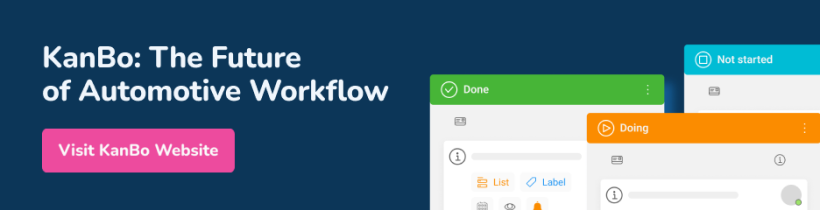
Work coordination platform
Designed for the automotive industry
As a leader in innovation, you understand the importance of staying ahead of the curve in the fast-moving automotive 4.0 world. KanBo provides you with the tools to do just that by facilitating smart factory operations, streamlining project management, fostering collaboration and solving complex problems.

Boost Your Workflow Efficiency: How KanBo Helps Mechanical Engineers Embrace Digital Documents and Paperless Office
KanBo is an innovative work coordination platform that is specifically designed for large enterprises. As a Mechanical Engineer specializing in welding, you will be pleased to know that KanBo is the perfect solution for organizations looking for a digital document management system that promotes a paperless office.
With KanBo, you can easily create and store digital documents, reducing the need for printed materials. This will not only help reduce costs associated with paper usage, but also help to lessen the impact on the environment. The platform offers a variety of features that make document management easier than ever before.
KanBo provides a secure and organized way to store all of your documents in one centralized location. This means that you can easily find and access the documents you need when you need them. You can also use KanBo’s document templates to create new documents quickly and easily, saving time and effort.
Moreover, KanBo’s board and card documents provide a highly visual way to manage projects and workflows. You can assign tasks, set deadlines, and track progress in real-time. This helps to improve collaboration and teamwork within your organization.
In addition, KanBo offers a variety of other benefits that can help increase productivity and improve the overall efficiency of your organization. With features such as task management, project management, and calendar management, you can expect to see a significant improvement in your team’s performance.
For organizations in the automotive industry, KanBo offers specific benefits such as smart factory operations, streamlined project management, fostering collaboration, and solving complex problems. As a project lead, you will be able to easily manage the budget, prepare status reports, and oversee the entire project from start to finish.
In conclusion, KanBo is the perfect work coordination platform for large enterprises looking to reduce their paper usage, improve collaboration, and increase productivity. With its document management features and paperless office capability, KanBo is an environmentally friendly solution that will have a positive impact on your organization’s bottom line, as well as the environment.
Introduction:
In today’s fast-paced automotive industry, it is essential for mechanical engineers to stay organized and utilize modern technology to streamline their work processes. With the help of KanBo and digital documents, you can efficiently manage your welding projects and ensure that all documents are securely stored in a paperless office environment. Here’s a step-by-step guide to how you can utilize KanBo and digital documents in your daily routine as a mechanical engineer in the automotive industry.
Monday:
1. Create a workspace in KanBo dedicated to your welding project.
2. Use KanBo cards to list all the tasks you need to complete for the project.
3. Assign team members to each task, and set due dates using KanBo’s scheduling feature.
4. Create a card template for repetitive welding tasks to save time on future projects.
5. Upload all relevant welding-related documents to the workspace, such as welding procedures and specifications.
Tuesday:
1. Start the day by checking the KanBo workspace for any updates or changes.
2. Use the Kanban view to ensure that all tasks are in progress and moving towards completion.
3. Add any new tasks that arise during the day to the KanBo board.
4. Use the checklist feature in KanBo cards to track progress on specific tasks.
5. Notify team members of any updates or changes using KanBo’s @mention feature.
Wednesday:
1. Use KanBo’s timeline view to track the progress of specific welding tasks and ensure they are on schedule.
2. Hold virtual meetings with team members through KanBo’s collaboration tools to discuss progress and resolve any issues.
3. Add any new documents that are generated during the day to the relevant card or document group in KanBo.
4. Use KanBo’s Gantt chart to track the overall progress of the welding project.
Thursday:
1. Use KanBo’s document versioning feature to ensure that all documents related to the welding project are up-to-date.
2. Use the KanBo search feature to quickly find specific documents or tasks.
3. Review all completed tasks to ensure that they meet all welding-related specifications.
4. Use the Mind Map view in KanBo to brainstorm solutions to any issues.
5. Notify team members of any updates or changes using KanBo’s @mention feature.
Friday:
1. Use the KanBo dashboard to get a quick overview of all welding-related tasks and their progress.
2. Use the Table (Spreadsheet) view to organize and analyze data related to the welding project.
3. Use KanBo’s reporting tools to generate detailed reports on the project’s progress.
4. Use KanBo’s resource management feature to ensure that all team members are effectively assigned to tasks.
5. Complete any remaining welding tasks, upload relevant documents, and mark completed tasks as finished.
Conclusion:
By utilizing KanBo and digital documents, you can efficiently manage your welding projects, stay organized, and reduce your environmental footprint in the automotive industry. With its user-friendly interface, collaboration tools, and document management features, KanBo is the perfect solution for modern mechanical engineers looking to streamline their work processes.
Did you know that KanBo is more than just a tool for digital documents and paperless office? In fact, it offers a comprehensive work coordination platform that goes beyond document management and task assignment. KanBo offers a variety of features and tools that help organizations streamline their workflows, manage their resources, and collaborate seamlessly across teams and departments.
One of the unique features of KanBo is its ability to bridge the gap between technology and business. The platform integrates with a wide range of tools and software, including Microsoft Office 365, Google Suite, AWS, Salesforce, and more. This means that organizations can leverage their existing technology investments without having to switch to a new platform or disrupt their established workflows.
Moreover, KanBo is designed to foster a culture of transparency and trust within organizations. The platform promotes responsibility, autonomy, and mastery by empowering employees to take ownership of their work and make autonomous decisions. This approach not only boosts employee morale and job satisfaction, but it also leads to increased productivity and better business outcomes.
Another key feature of KanBo is its focus on work coordination simplification. The platform provides a centralized hub for all teams, departments, and external stakeholders to collaborate, share ideas, and stay on top of tasks and projects. This reduces the need for time-consuming meetings and ensures that everyone is on the same page, regardless of location or time zone.
KanBo is also highly customizable, allowing organizations to tailor the platform to their specific needs and workflows. The platform offers a range of templates, card groupings, and board views, allowing teams to choose the tools that work best for them.
In summary, KanBo is not just a tool for digital document management and paperless office. It is a comprehensive work coordination platform that offers a range of features and tools designed to streamline workflows, promote collaboration, and boost productivity. With KanBo, organizations can empower their employees, maximize their technology investments, and achieve their business goals with confidence.
Q&A
1. Q: How does KanBo help automotive companies reduce paper usage?
A: KanBo offers a paperless office capability that allows companies to create and store digital documents in a centralized location. This reduces the need for printed materials and helps automotive companies reduce paper usage.
2. Q: What benefits can automotive companies expect from using KanBo?
A: Automotive companies can expect improved collaboration and teamwork, increased productivity, streamlined project management, and the ability to solve complex problems. KanBo also offers specific benefits for smart factory operations in the automotive industry.
3. Q: What daily tasks can a mechanical engineer in the automotive industry perform using KanBo and digital documents?
A: A mechanical engineer can use KanBo to create a workspace for their welding project, list tasks and assign team members, upload relevant documents, track progress using the Kanban view and checklist feature, hold virtual meetings, use the Gantt chart to track the overall progress of the project, and generate detailed reports using KanBo’s reporting tools. KanBo also offers a search feature to quickly find documents or tasks.
One practical use case for KanBo is for the design and development of equipment to address SQD (Safety, Quality, and Delivery) characteristics in the automotive industry. This involves multiple stages, including job process engineering and verification, as well as equipment improvement projects.
With KanBo, project leads can easily plan and budget these projects, prepare regular status reports, and manage the entire process from start to finish. KanBo’s board and card documents provide a highly visual way to track progress and assign tasks, allowing project leads to easily identify bottlenecks and drive the project forward.
In addition, KanBo’s customizable templates and card groupings make it easy to capture all the necessary data for each stage of the process, including equipment analysis and the development of improvement and countermeasure activity. KanBo’s integration with Microsoft Office also means that project leads can leverage their existing skills and tools to streamline the process further.
Furthermore, KanBo supports mentoring and team development tasks, making it simple to share knowledge and promote collaboration across teams and departments. KanBo’s focus on transparency and trust ensures that everyone is on the same page, and that all team members have the autonomy necessary to make autonomous decisions and contribute to the success of the project.
In conclusion, KanBo is a powerful tool for project leads in the automotive industry, helping them to plan, budget, and manage equipment development projects, as well as to promote collaboration and knowledge sharing across teams and departments. With its paperless office capabilities and intuitive interface, KanBo makes it easy for project leads to focus on what matters most: driving business outcomes and achieving their goals with confidence.